How to Choose the Perfect Suit for Your Big Day
Choosing the perfect wedding suit is a crucial part of preparing for your big day. It’s not just about looking sharp; it’s about feeling confident and comfortable as you celebrate one of the most important moments in your life. With so many styles, fabrics, and fits available, the process can feel overwhelming. This guide will walk you through everything you need to know to select a wedding suit that fits your style, theme, and personality perfectly.
Understanding the Importance of Your Wedding Suit
Your wedding suit is more than just formalwear. It reflects your personality and complements the overall wedding theme. Whether you’re going for a classic look or something more modern, the right suit will make you stand out and feel your best.
First impressions matter: Your suit is one of the first things guests will notice.
Comfort is key: You’ll be wearing it for hours, so it must feel good.
Photos last forever: Your suit will be in your wedding photos for a lifetime.
When selecting your wedding suit, consider the venue, season, and dress code. For example, a lightweight linen suit works well for a summer beach wedding, while a wool suit is better for a winter ceremony.

Choosing the Right Style for Your Wedding Suit
There are several styles to choose from, and each creates a different impression. Here are some popular options:
Single-Breasted vs. Double-Breasted
Single-breasted suits are versatile and timeless. They work well for most body types and wedding styles.
Double-breasted suits offer a more formal and sophisticated look, perfect for black-tie or evening weddings.
Lapel Styles
Notch lapels are classic and suitable for most occasions.
Peak lapels add a touch of elegance and are often seen on tuxedos.
Shawl lapels are smooth and rounded, ideal for formal events.
Suit Colors
Black is traditional and formal.
Navy blue is modern and flattering on most skin tones.
Gray offers a neutral and versatile option.
Bolder colors like burgundy or emerald can make a statement but should match the wedding theme.
Fit Types
Slim fit suits hug the body and create a sleek silhouette.
Regular fit offers more room and comfort.
Tailored fit is a balance between slim and regular, providing shape without being too tight.
Consider your body shape and comfort preferences when choosing the fit. Trying on different styles will help you find what feels best.

Fabric Choices and Seasonal Considerations
The fabric of your wedding suit affects both comfort and appearance. Here’s what to keep in mind:
Wool
Best for cooler months.
Durable and wrinkle-resistant.
Comes in various weights and textures.
Linen
Ideal for warm weather.
Lightweight and breathable.
Wrinkles easily, so it’s more casual.
Cotton
Versatile and comfortable.
Suitable for spring and summer.
Less formal than wool.
Velvet
Luxurious and unique.
Great for evening or winter weddings.
Requires special care.
Blends
Combine the benefits of different fabrics.
Often more affordable and easier to maintain.
Think about the climate and venue when selecting fabric. For example, a wool suit might be uncomfortable for an outdoor summer wedding, while linen might look too casual for a formal church ceremony.
Accessorizing Your Wedding Suit
Accessories complete your look and add personality. Here are some essentials:
Shirts: Crisp white or light pastel shirts are classic choices.
Ties and Bow Ties: Match the wedding colors or go for a subtle pattern.
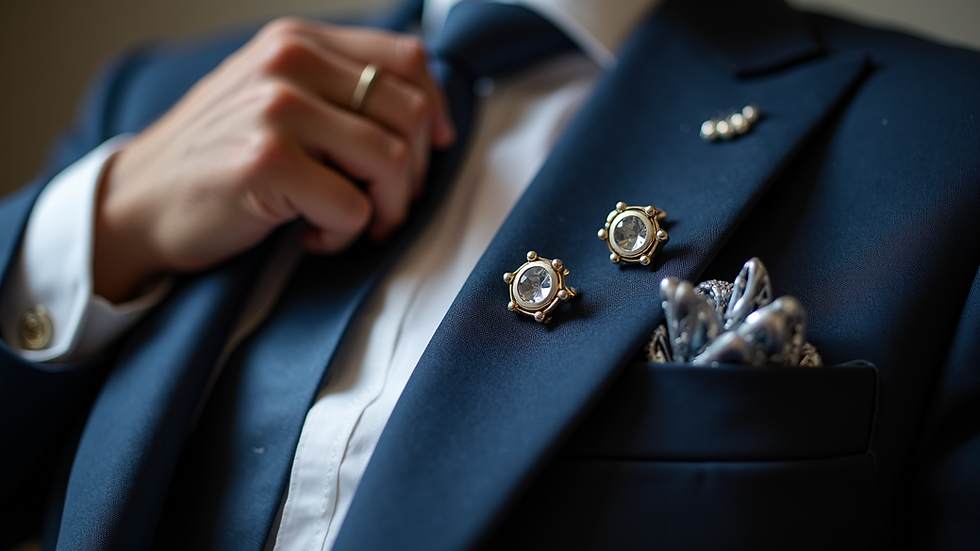
Pocket Squares: Add a pop of color or texture.
Cufflinks: Personalize with initials or meaningful symbols.
Shoes: Choose polished leather shoes that complement your suit color.
Belts or Suspenders: Coordinate with your shoes for a cohesive look.
Don’t forget to consider comfort and practicality. For example, if you plan to dance a lot, choose shoes with good support.
Why Consider Custom Wedding Suits?
Off-the-rack suits can be convenient, but they often lack the perfect fit and personal touch. Investing in custom wedding suits allows you to tailor every detail to your preferences.
Perfect fit: Tailored to your exact measurements.
Unique style: Choose fabrics, colors, and details that reflect your personality.
Quality craftsmanship: Higher quality materials and construction.
Memorable experience: The process of creating your suit can be enjoyable and meaningful.
Custom suits are especially valuable if you have a unique body shape or want to ensure your suit matches the wedding theme flawlessly.
Final Tips for Choosing Your Wedding Suit
Start early: Give yourself plenty of time for fittings and alterations.
Set a budget: Know how much you want to spend and stick to it.
Bring a trusted friend or family member: A second opinion can be helpful.
Consider the whole look: Think about how your suit will coordinate with your partner’s attire and the wedding colors.
Try different options: Don’t settle on the first suit you try.
By following these tips, you’ll be well on your way to finding a wedding suit that makes you look and feel amazing on your big day.

Choosing the perfect wedding suit is a rewarding process that combines style, comfort, and personal expression. With the right knowledge and preparation, you can confidently select a suit that will make your wedding day even more special.


Comments